Every West Coast Treez product lists a THC percentage range, and it’s easy to assume “higher number = better product.” That’s not quite right. Here’s what those percentages actually mean, how they’re measured, and how to use them to pick the right product instead of just the strongest one.
What “Total THC” Actually Measures
Raw cannabis flower contains mostly THCA (tetrahydrocannabinolic acid), which converts to active THC when heated (a process called decarboxylation — what happens when you smoke, vape, or vaporize it). Labs report “Total THC” using the formula THC + (THCA × 0.877), which estimates the THC you’ll actually get once the product is activated. That’s the number you should be looking at, not raw THCA alone.
Typical Potency Ranges by Product Type
Potency varies enormously by format, which is why comparing a flower percentage to a vape percentage isn’t apples-to-apples:
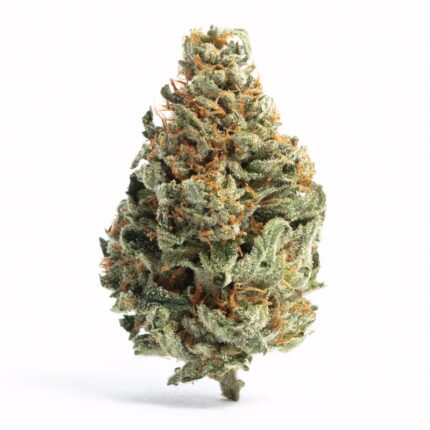
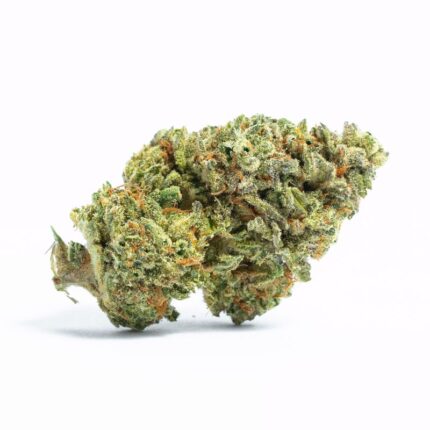
- Flower: 19–29% total THC
- Pre-Rolls: 18–26% total THC
- Vape Cartridges: 82–91% total THC
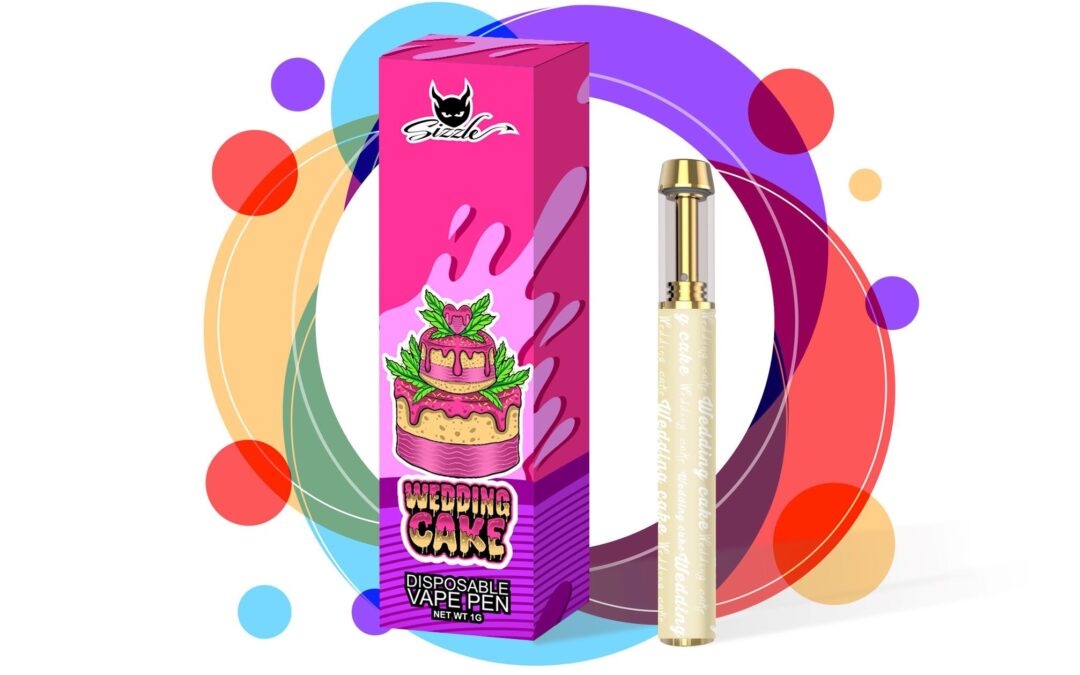
- Disposable Vapes: 85–92% total THC
Vapes read dramatically higher because they’re concentrated oil, not plant material — extraction removes plant fiber and water weight, concentrating cannabinoids. A 25% flower and an 85% vape aren’t as far apart in real-world effect as the numbers alone suggest, because you consume far less volume of a concentrated product per dose.
Higher Percentage Doesn’t Mean “Better”
A higher THC percentage means a stronger dose per gram, not necessarily a better experience. Terpene content plays a major role in how a strain actually feels — the same THC percentage can produce noticeably different effects depending on its terpene profile (the entourage effect). Our Entourage Effect guide covers how cannabinoids and terpenes interact.
How to Use Potency Numbers When Shopping
- New to cannabis or building tolerance back up? Look toward the lower end of the flower range (19–22%) rather than the top.
- Experienced user with an established tolerance? Higher percentages let you use less material for the same effect.
- Comparing flower to a vape? Remember you’re comparing plant material to concentrated oil — adjust your expected dose size accordingly, not just the percentage.
Where to Find the Real Numbers
Listed ranges are typical, but every individual batch is different. The exact percentage for the product in your hand is on its batch-specific Certificate of Analysis, accessible by scanning the QR code on the packaging or by visiting our Lab Results & COA page, where we also explain how to read every section of a COA, from potency to pesticide screening.
Bottom Line
THC percentage is a useful data point, not the whole picture. Combine it with format (flower vs. vape vs. pre-roll), your own tolerance, and terpene profile to actually predict how a product will feel — not just how strong the number looks on the label.
Ready to shop with this in mind? Browse strains by type or explore the full collection.