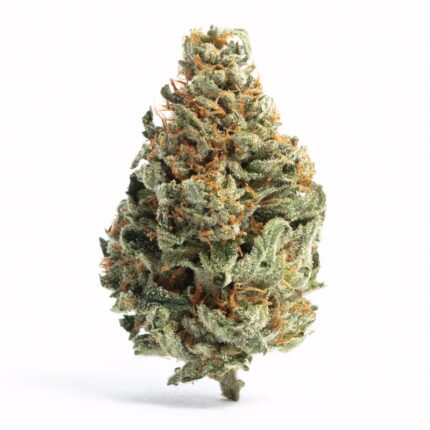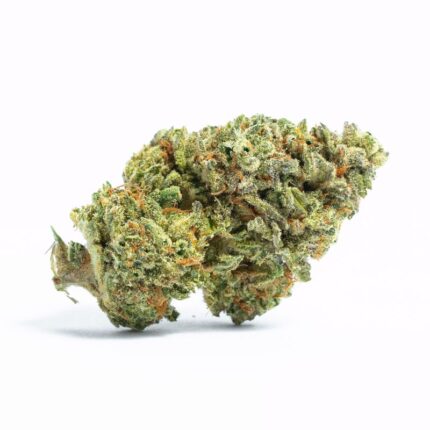
THCA vs THC — they sound similar but behave very differently. If you have looked at a cannabis label or COA, you have seen both listed side by side. Here is what THCA actually is, and what it means for the flower you are buying.
What Is THCA?
THCA (tetrahydrocannabinolic acid) is the raw, non-intoxicating compound naturally produced by the cannabis plant. Fresh, unheated cannabis is actually high in THCA, not THC. THCA does not get you high on its own.
How THCA Becomes THC
When cannabis is heated — through smoking, vaping, or cooking — THCA converts into THC through a process called decarboxylation. That’s why raw flower can be legal in places THC isn’t, but becomes psychoactive the moment it’s combusted or vaped.
THCA vs THC at a Glance
| THCA | THC | |
|---|---|---|
| Psychoactive? | No (until heated) | Yes |
| Found in | Raw, unheated flower | Combusted or vaporized flower |
| Lab report role | Shows raw cannabinoid content | Shows “total THC” potential after heat |
Why Your COA Shows Both
Lab reports list THCA and THC separately, then calculate “Total THC” using the formula: Total THC = THCA × 0.877 + THC. That 0.877 factor accounts for the weight lost when THCA converts to THC during decarboxylation. A high THCA number on the label is a good sign — it means strong potential potency once the flower is smoked or vaped.
What This Means When You’re Shopping
When comparing flower, look at Total THC on the COA rather than just the THCA number alone — that’s the figure that reflects real-world potency after use. Every product on West Coast Treez ships with lab results so you know exactly what you’re getting.