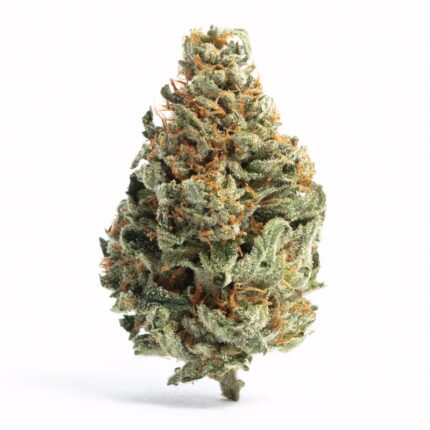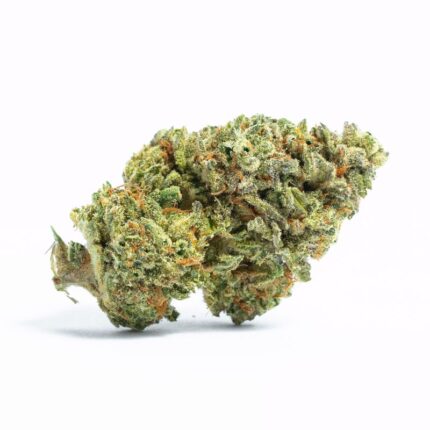
Sour Diesel — commonly called “Sour D” — is one of the most recognisable cannabis strains ever developed. Its pungent, fuel-forward aroma is instantly identifiable, and its energising, cerebral effects have made it the strain of choice for creative professionals, musicians, writers, and daytime cannabis consumers for over three decades.
Sour Diesel Strain Guide — Effects, Terpenes & THC Content
Sour Diesel Quick Facts
- Type: Sativa-dominant hybrid (90% Sativa / 10% Indica)
- THC Content: 22–28% (West Coast Treez batches)
- CBD Content: 0.1–0.2%
- Terpene Profile: Limonene, Caryophyllene, Myrcene, Ocimene, Terpinolene
- Flavour: Pungent diesel, citrus, sharp earthy undertones
- Effects: Energising, fast-acting, cerebral, mood-elevating, creative
- Best Time to Use: Morning and daytime use — not recommended before sleep
- Available Formats: Vape Cartridge 1g, Flower (Smalls), Pre-Rolls
Sour Diesel Terpene Profile
Sour Diesel’s distinctive aroma and fast-acting cerebral effects are driven by a terpene profile dominated by limonene — one of the most uplifting and mood-enhancing terpenes in the cannabis plant.
Limonene (primary, 0.5–1.2%) — The dominant terpene in Sour Diesel and the source of its sharp citrus-lemon aroma beneath the diesel fuel character. Limonene is associated with rapid mood elevation, stress relief, and anxiety reduction. Research suggests limonene may increase serotonin and dopamine levels in key brain regions. Its high concentration in Sour Diesel correlates directly with the strain’s renowned mood-boosting properties.
Caryophyllene (secondary, 0.3–0.7%) — The spicy, peppery terpene that contributes to Sour Diesel’s fuel-like aroma. Caryophyllene is the terpene most responsible for the “diesel” character in Sour D. As a CB2 agonist, it provides mild anti-inflammatory effects without psychoactivity.
Myrcene (secondary, 0.2–0.5%) — Present in lower quantities than in most indica-dominant strains, but still enough to provide mild body relaxation that prevents Sour Diesel’s intense sativa effects from becoming anxiety-inducing for most consumers.
Ocimene (trace, 0.1–0.3%) — Adds sweet, tropical, and herbal notes that provide a slight softening of Sour Diesel’s otherwise sharp aromatic profile.
Sour Diesel Effects — What to Expect
Onset (0–3 minutes): One of the fastest-acting onset profiles in cannabis — almost immediate cerebral rush of energy and euphoria. Mental clarity spikes sharply. Many consumers report it feels like an espresso shot to the mind. Creative connections come rapidly.
Peak (10–45 minutes): Intense, sustained cerebral energy. Thoughts race productively. Conversation flows freely. Focus is acute but broad — good for creative work rather than detailed technical tasks. Physical body remains almost entirely unaffected — Sour Diesel’s 90% sativa genetics mean minimal sedation or body relaxation at normal doses.
Come-down (1.5–2.5 hours): Gradual return to baseline. Unlike some pure sativas, Sour Diesel’s come-down is not associated with significant energy crashes, though some consumers report mild mental fatigue after extended sessions.
Note for sensitive consumers: Sour Diesel’s high limonene content and sativa dominance can trigger anxiety or paranoia in THC-sensitive individuals at higher doses. First-time users or those with anxiety concerns should start very small.
Sour Diesel FAQ
Is Sour Diesel the strongest sativa?
Sour Diesel is one of the most potent sativa-dominant strains available, testing at 22–28% THC in West Coast Treez batches. However, “strongest” is subjective — several pure sativa strains test slightly higher in THC percentage. Sour Diesel’s particular intensity comes from its specific terpene-THC combination that produces a uniquely fast, cerebral, long-lasting effect profile that many experienced consumers consider unmatched among sativas.
Why does Sour Diesel smell like fuel?
The diesel aroma in Sour Diesel comes primarily from caryophyllene and a combination of sulphurous volatile compounds produced during the plant’s metabolic processes. The specific combination of terpenes — particularly high caryophyllene with limonene — produces chemical compounds that trigger the same olfactory receptors as petroleum-derived hydrocarbons. The particular growing conditions of West Coast farms, including soil microbiome and climate, influence how strongly these fuel-like compounds develop.
Browse Sour Diesel products at West Coast Treez →
Premium Cannabis — Lab Tested
Shop West Coast Treez — Premium Quality, Verified Purity
Every product is third-party lab tested with a Certificate of Analysis. Flowers, vapes, concentrates and edibles — shipped discreetly across legal US states.
Shop Cannabis Products →
View Lab Results
Must be 21+ to purchase. Available in CA, OR, WA and other legal states.
💰 West Coast Treez Pricing
- Smalls / Budget Flower: starting at $35
- Premium Flower (1/8 oz): from $45
- Vape Cartridges (1g): from $40
- Pre-Rolls: from $12
- CBD Flower: from $30
Free shipping on orders over $100. Minimum order $100.
Ready to Order?
Lab-tested cannabis delivered discreetly to your door. Minimum order $100.